
Recent Work
Features
Culture
June 2026
Why Development Projects Need Better Storytelling
Why Development Projects Need Better Storytelling
Most development presentations are designed to inform. Very few are designed to persuade.

The strongest presentations do more than communicate facts. They shape perception.
For development and investment projects especially, presentation design becomes part of the strategy itself — helping audiences understand not only what a project is, but why it matters.


Too often, investment decks become overloaded with maps, technical language and disconnected information. While accurate, they rarely create a clear sense of opportunity.
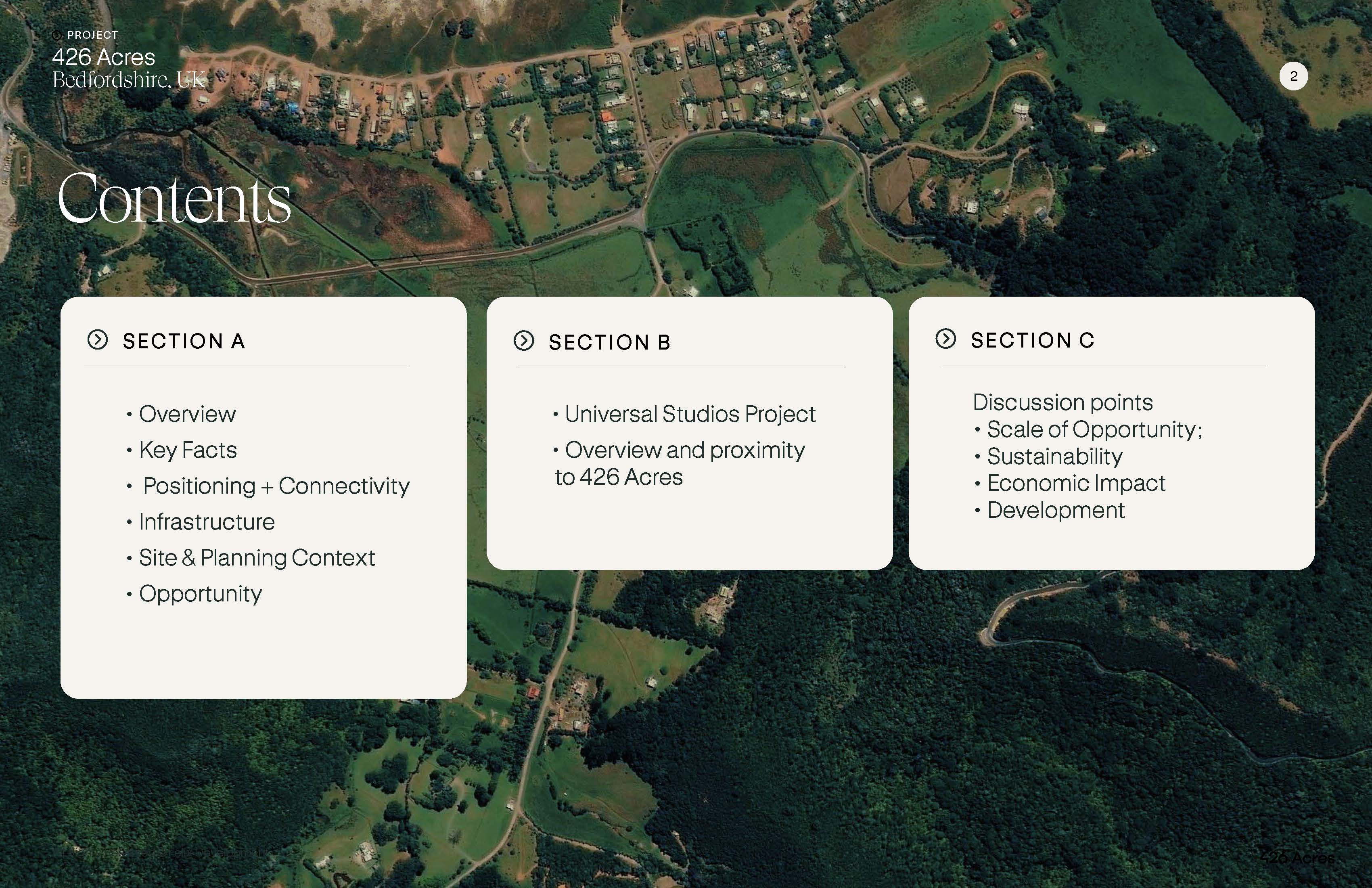
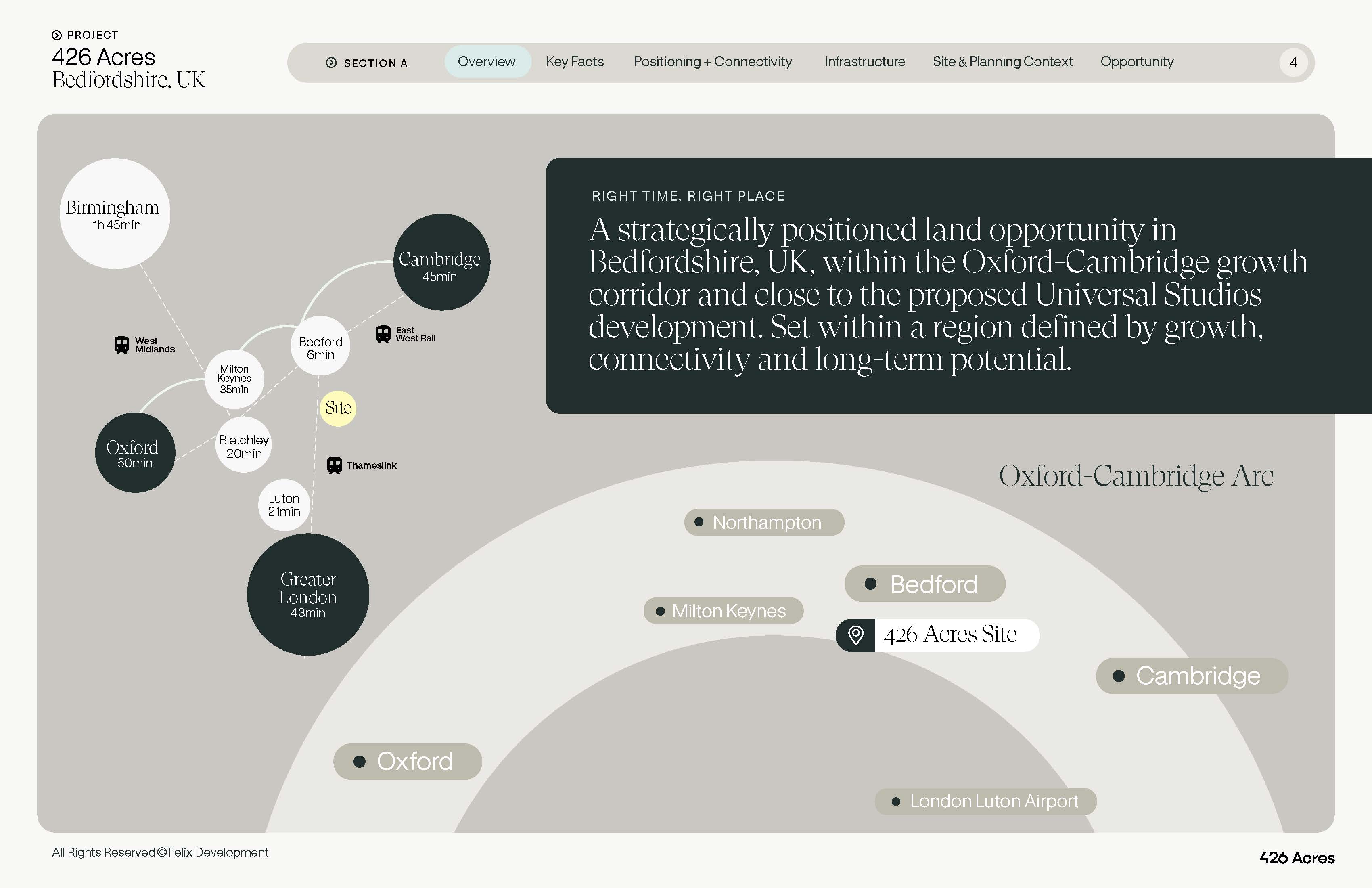
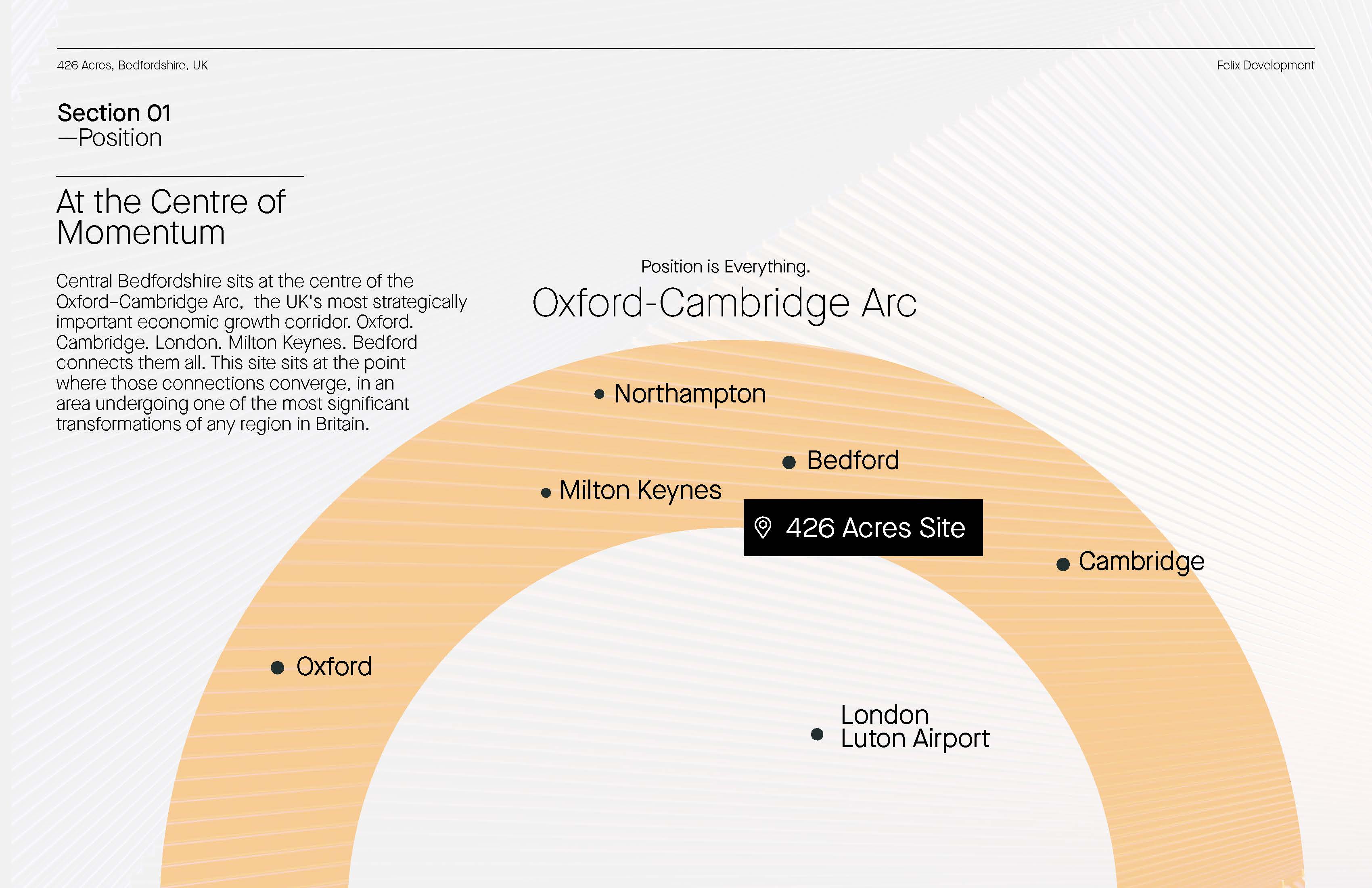
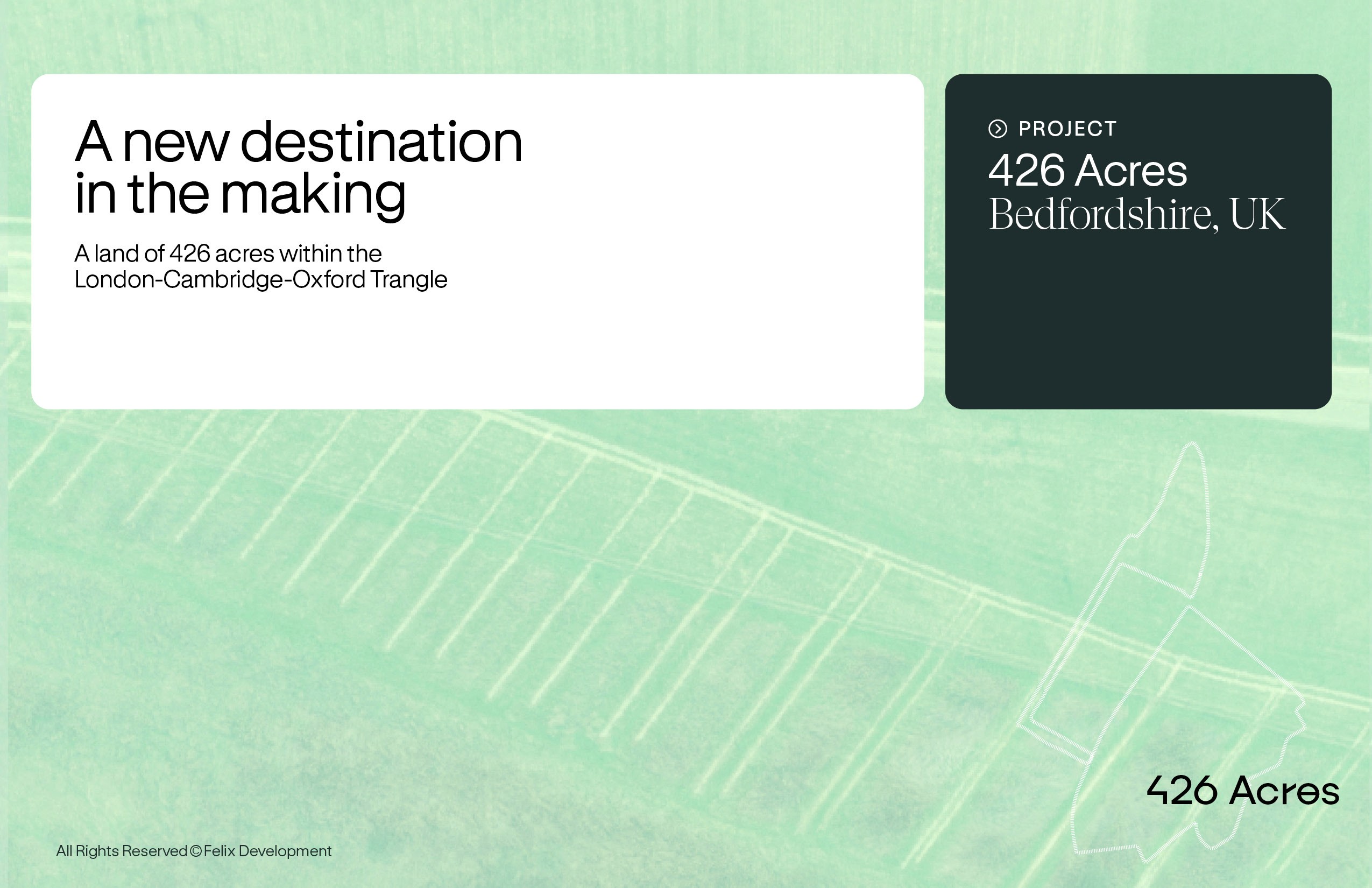
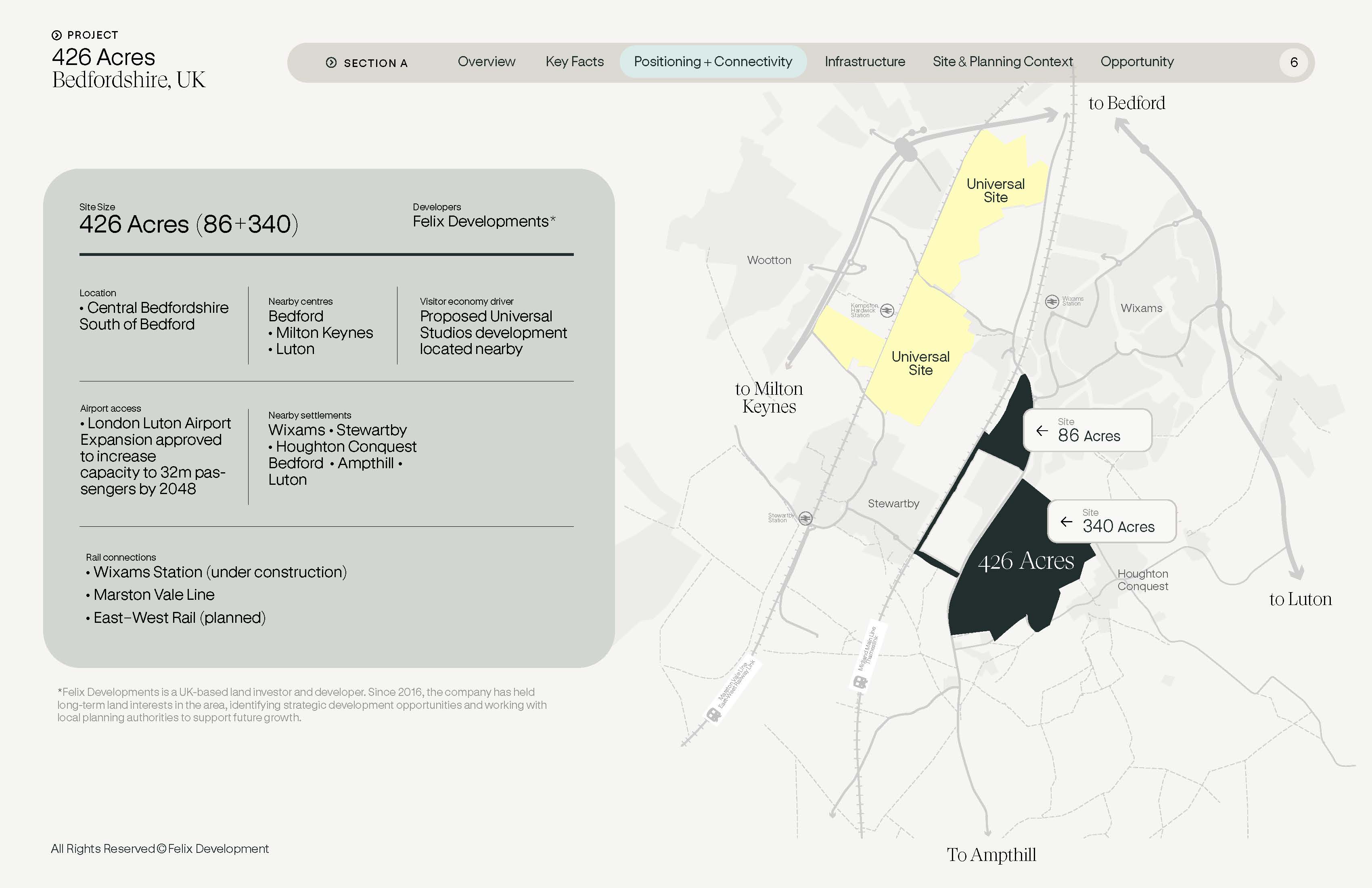
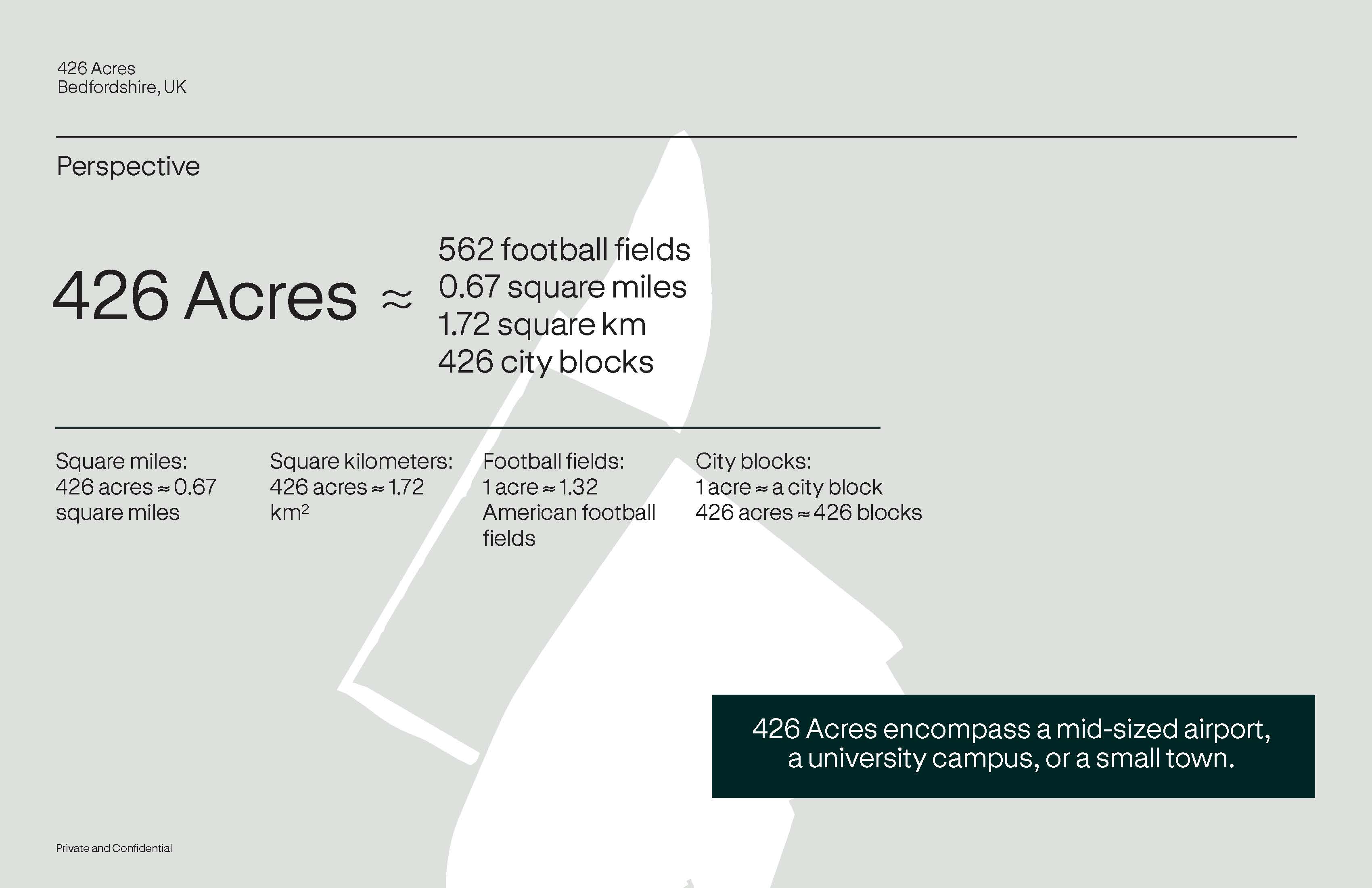
Recently, we developed a presentation system for a 426-acre development opportunity within the Oxford–Cambridge growth corridor in the UK. The challenge was not simply organising information, but translating scale, infrastructure and long-term potential into a narrative that felt clear, confident and future-focused.
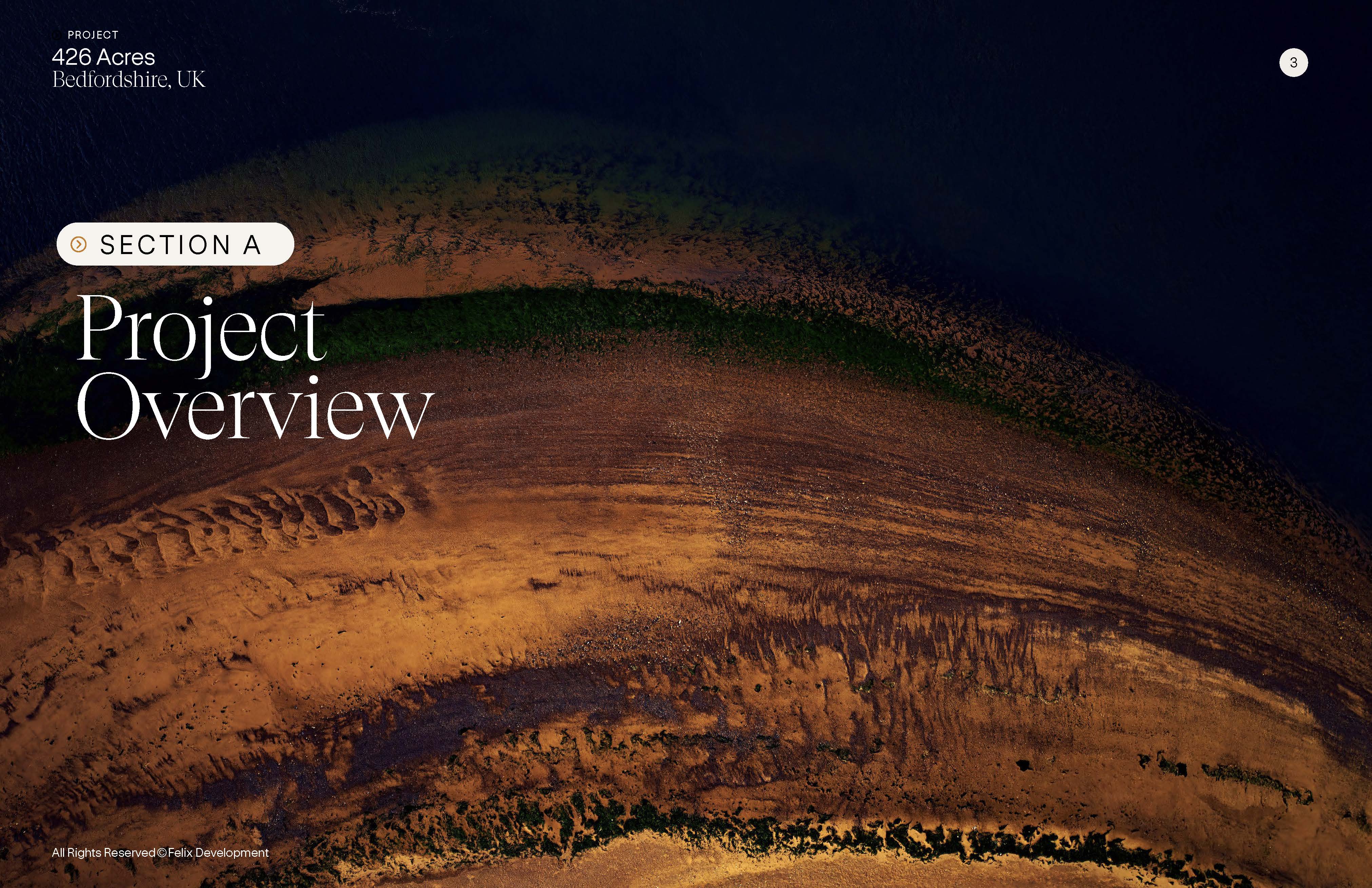
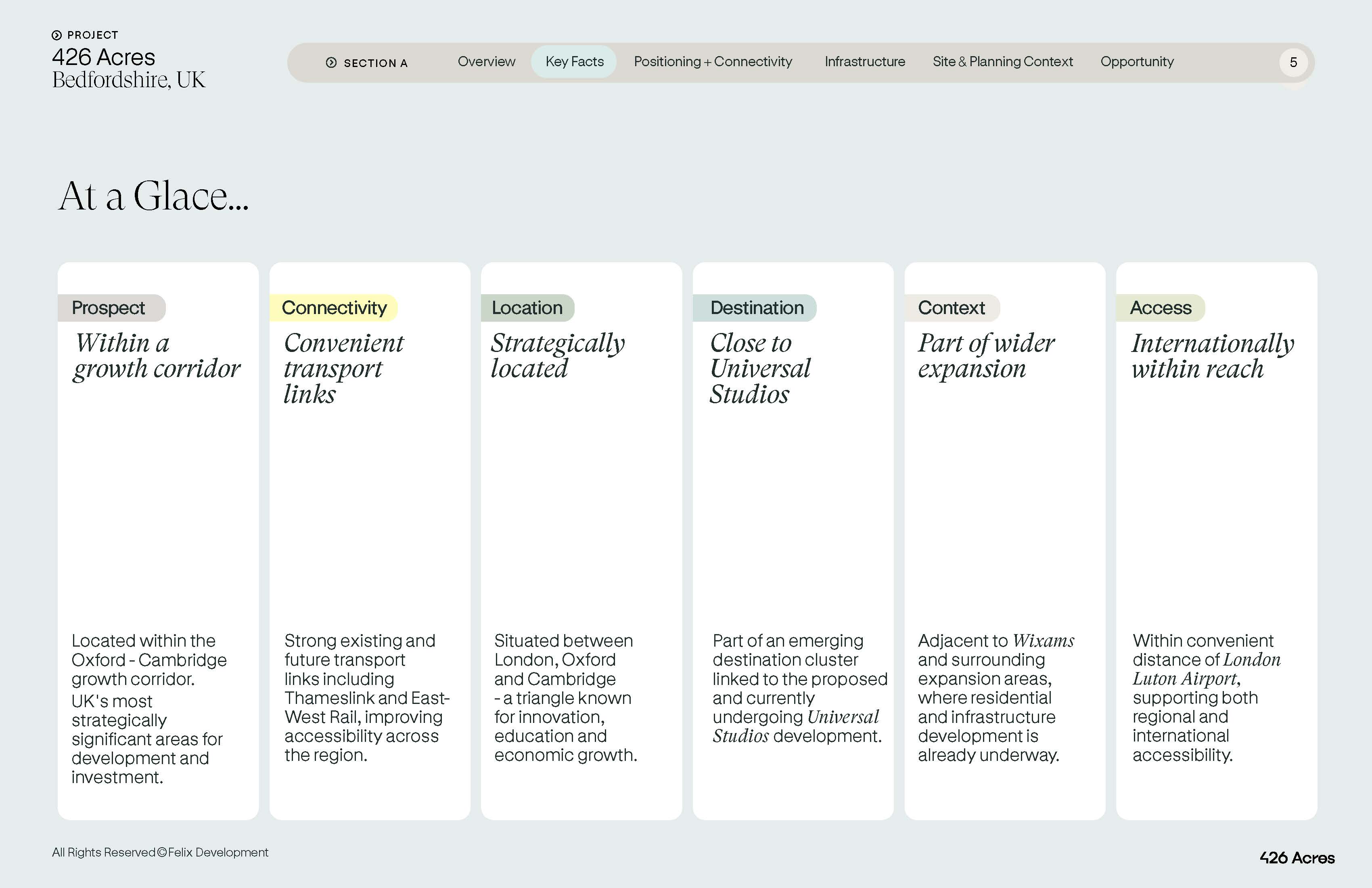
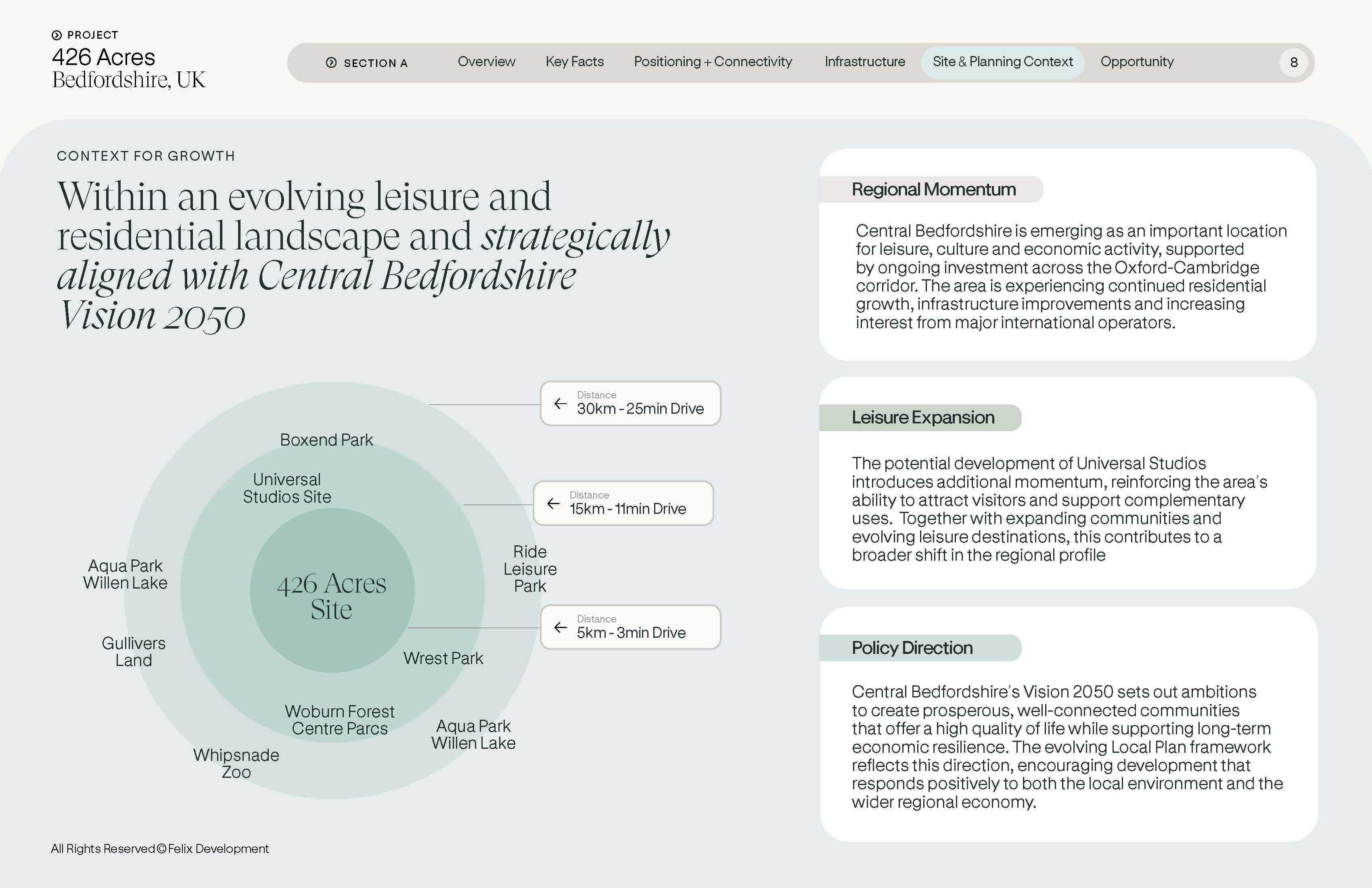
Rather than approaching the deck as a conventional corporate presentation, the design borrowed more from editorial storytelling. Large-scale imagery, restrained typography and quieter layouts created rhythm and clarity throughout the presentation. Infrastructure, connectivity and regional positioning became part of a broader story around growth and opportunity, rather than isolated technical details.


Most development presentations are designed to inform. Very few are designed to persuade.
Too often, investment decks become overloaded with maps, technical language and disconnected information. While accurate, they rarely create a clear sense of opportunity.
Recently, we developed a presentation system for a 426-acre development opportunity within the Oxford–Cambridge growth corridor in the UK. The challenge was not simply organising information, but translating scale, infrastructure and long-term potential into a narrative that felt clear, confident and future-focused.
Rather than approaching the deck as a conventional corporate presentation, the design borrowed more from editorial storytelling. Large-scale imagery, restrained typography and quieter layouts created rhythm and clarity throughout the presentation. Infrastructure, connectivity and regional positioning became part of a broader story around growth and opportunity, rather than isolated technical details.
The strongest presentations do more than communicate facts. They shape perception.
For development and investment projects especially, presentation design becomes part of the strategy itself — helping audiences understand not only what a project is, but why it matters.
Why Development Projects Need Better Storytelling
Features
Culture
Recent Work
June 2026
Why Development Projects Need Better Storytelling
Features
Culture
Recent Work
June 2026
Most development presentations are designed to inform. Very few are designed to persuade.
Too often, investment decks become overloaded with maps, technical language and disconnected information. While accurate, they rarely create a clear sense of opportunity.
Recently, we developed a presentation system for a 426-acre development opportunity within the Oxford–Cambridge growth corridor in the UK. The challenge was not simply organising information, but translating scale, infrastructure and long-term potential into a narrative that felt clear, confident and future-focused.
Rather than approaching the deck as a conventional corporate presentation, the design borrowed more from editorial storytelling. Large-scale imagery, restrained typography and quieter layouts created rhythm and clarity throughout the presentation. Infrastructure, connectivity and regional positioning became part of a broader story around growth and opportunity, rather than isolated technical details.
The strongest presentations do more than communicate facts. They shape perception.
For development and investment projects especially, presentation design becomes part of the strategy itself — helping audiences understand not only what a project is, but why it matters.